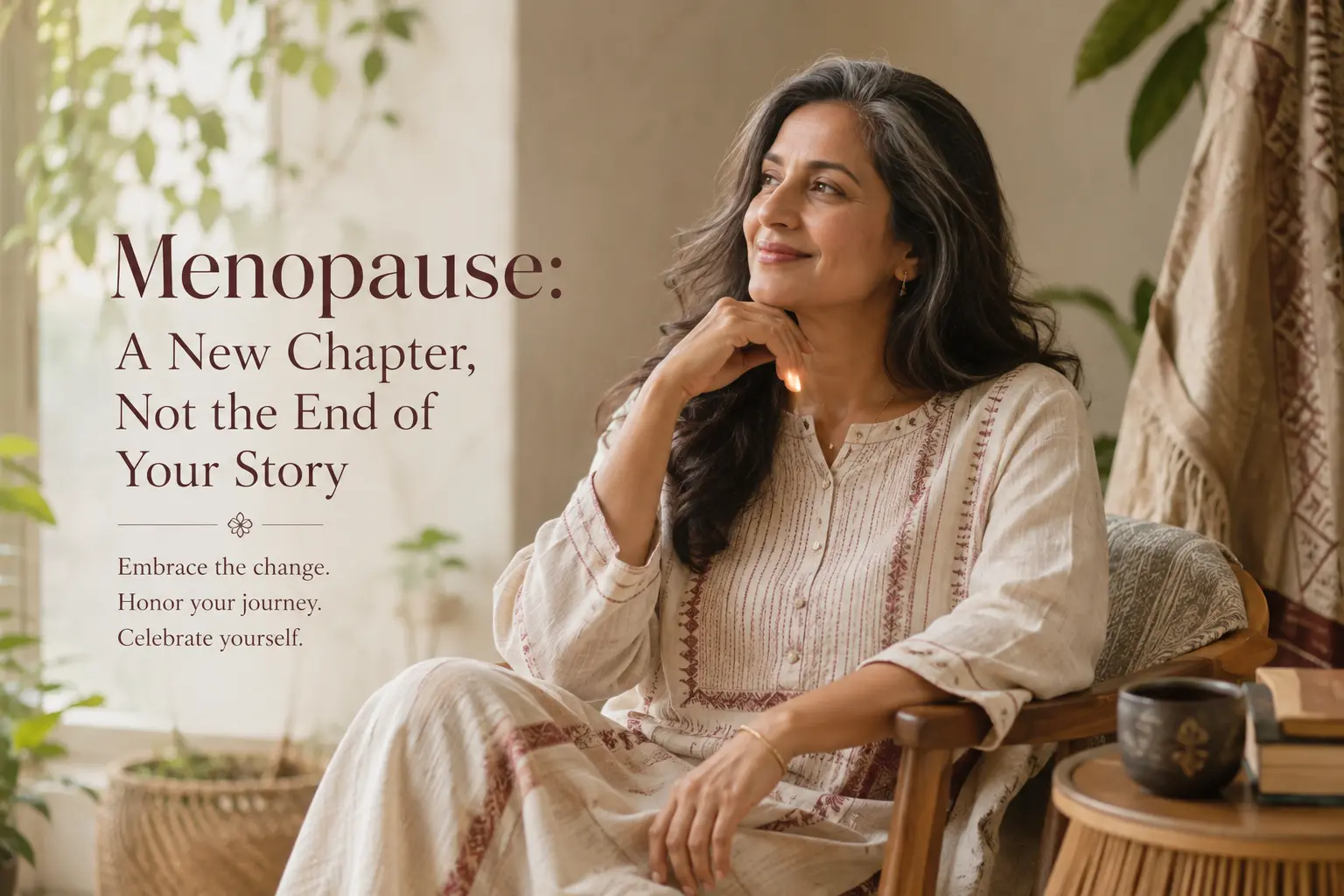
For decades, women gracefully navigate the many seasons of life—daughter, student, professional, partner, mother, caregiver. Yet one of the most significant transitions, menopause, often arrives quietly, misunderstood, and rarely discussed.
Menopause is not an illness. It is a natural phase of life that marks the end of a woman’s reproductive years. While every woman’s experience is unique, this transition can bring physical, emotional, and psychological changes that deserve understanding, support, and compassion.
What Happens During Menopause?
Menopause typically occurs between the ages of 45 and 55, although it can happen earlier or later. As estrogen and progesterone levels decline, the body begins to adjust, leading to symptoms that may last for several years.
Some women experience only mild changes, while others find the transition challenging.
Common symptoms include:
- Hot flashes and night sweats
- Sleep disturbances
- Mood swings and anxiety
- Fatigue
- Brain fog and difficulty concentrating
- Joint and muscle aches
- Dry skin and hair changes
- Weight gain, particularly around the abdomen
- Vaginal dryness and discomfort
- Changes in heart health and bone density
These changes are real and deserve attention—not dismissal.
Comfort Becomes More Important Than Ever
As the body changes, so do clothing preferences.
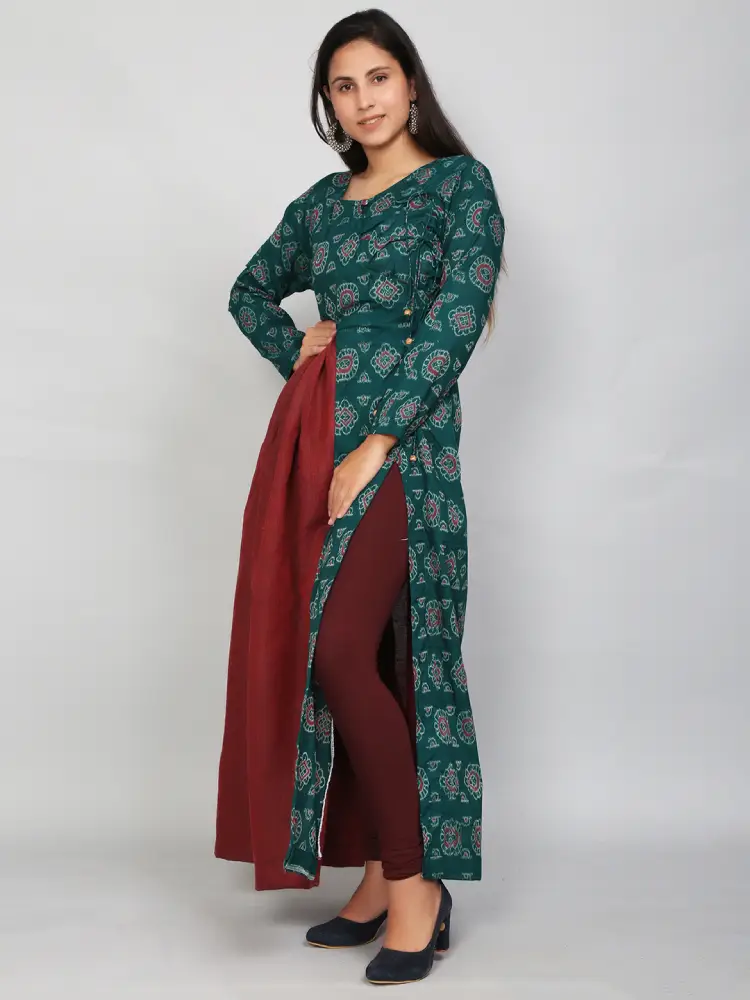
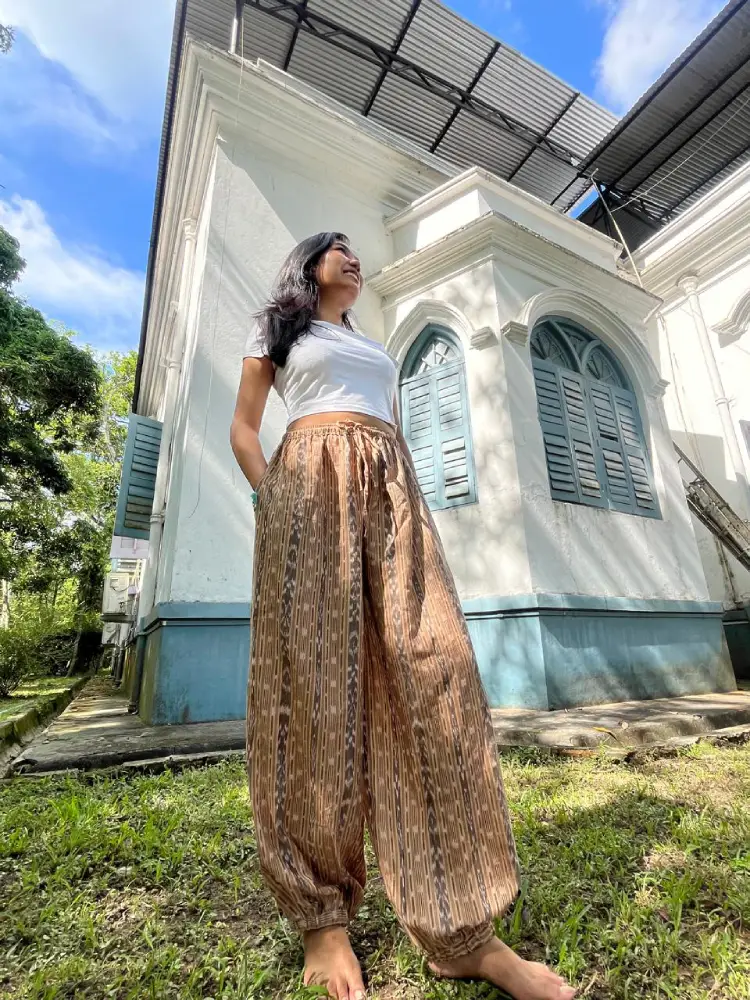
Many menopausal women find themselves sensitive to heat, tight waistbands, synthetic fabrics, and restrictive garments. Comfort is no longer a luxury—it becomes essential for everyday well-being.
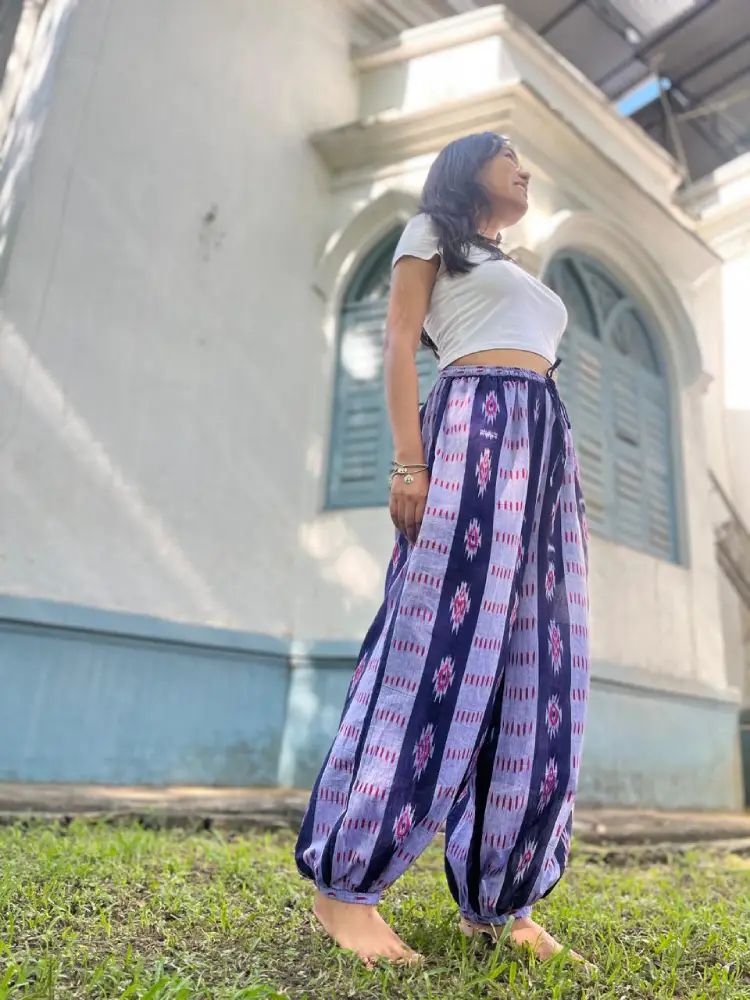
Natural, breathable fabrics help regulate body temperature, absorb moisture, and feel gentle against sensitive skin. Loose silhouettes allow ease of movement without compromising elegance.
The clothes you wear should support you—not make you feel uncomfortable.
Emotional Well-being Matters Too
Hormonal changes can influence emotions, confidence, and self-image. Some days may feel overwhelming, while others feel perfectly normal.
During this phase, self-care becomes an act of strength.
Taking walks, practicing yoga, eating nourishing meals, sleeping well, staying connected with loved ones, and wearing clothing that makes you feel comfortable and confident can all contribute to overall well-being.
Most importantly, remember that asking for support is never a sign of weakness.
Menopause Is Not About Losing Yourself
Society often celebrates youth while overlooking the beauty of maturity.
Yet menopause marks a season of wisdom, resilience, and freedom. It is a time when many women rediscover themselves, pursue long-forgotten dreams, focus on their passions, and embrace life with renewed confidence.
This chapter is not about fading—it’s about flourishing in a different way.
Dressing for Confidence
Choosing clothing during menopause is about more than fashion.
Look for:
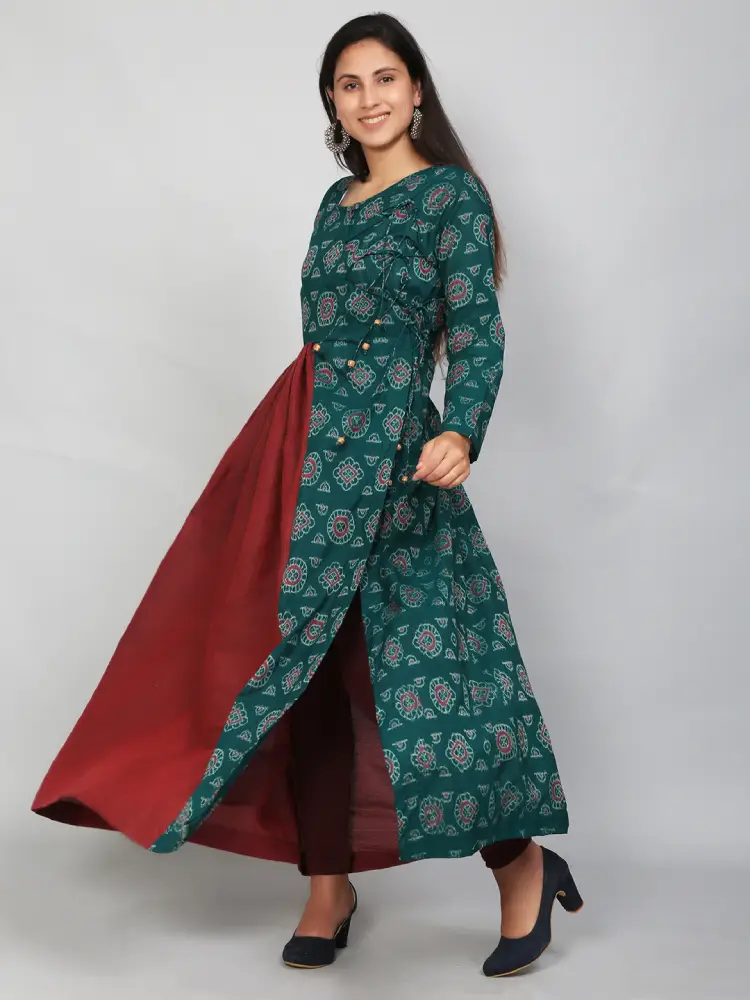
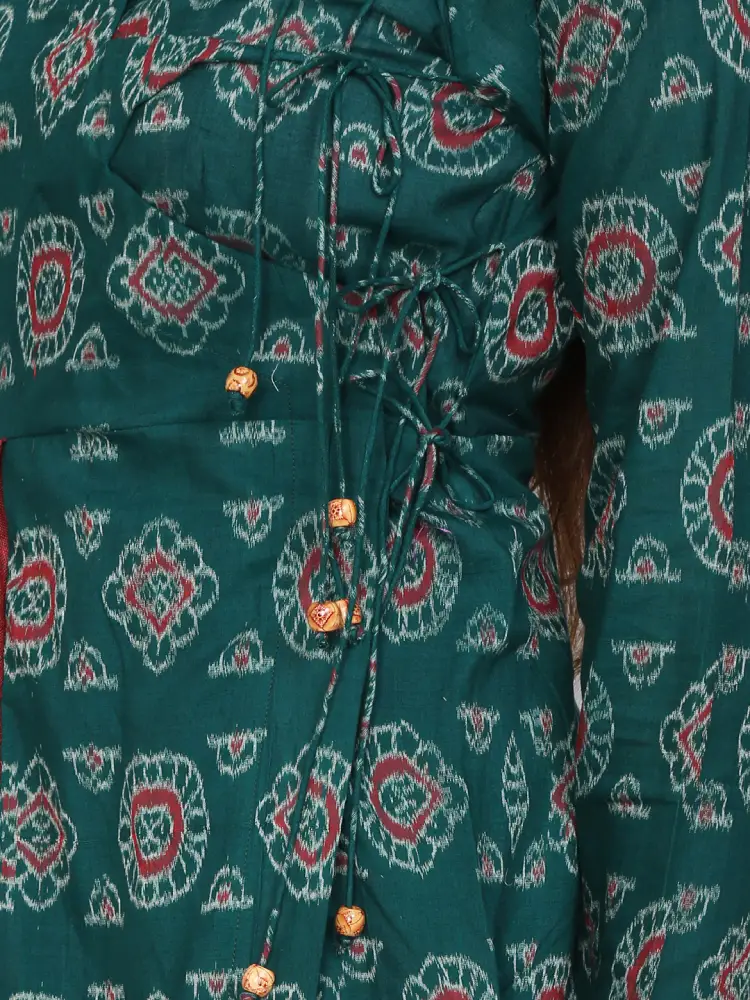
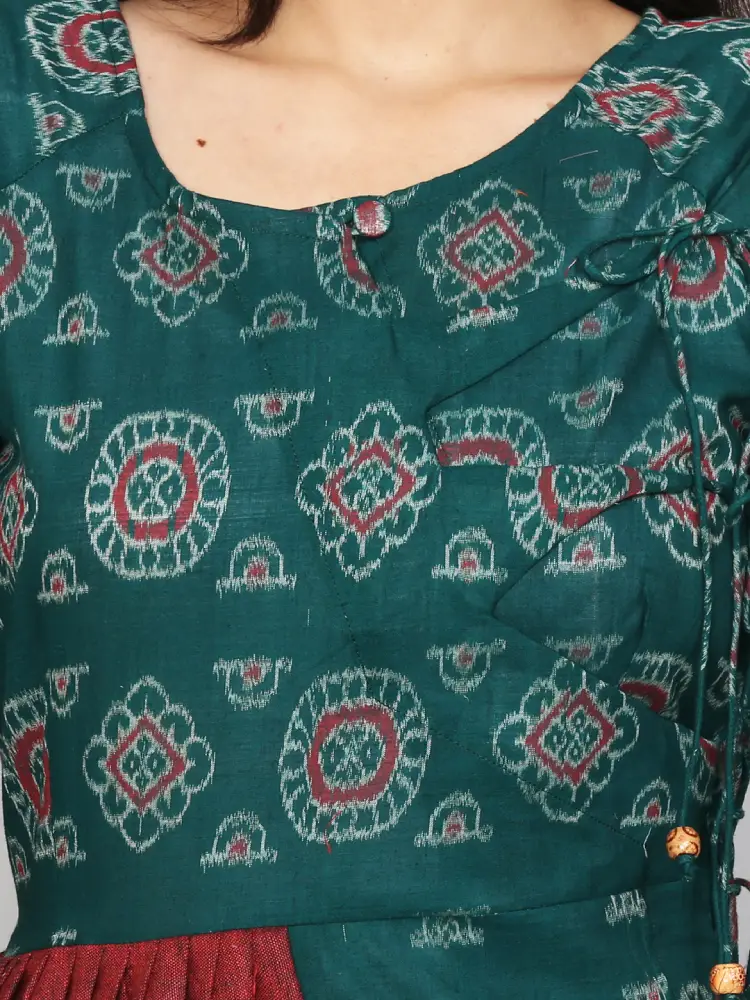
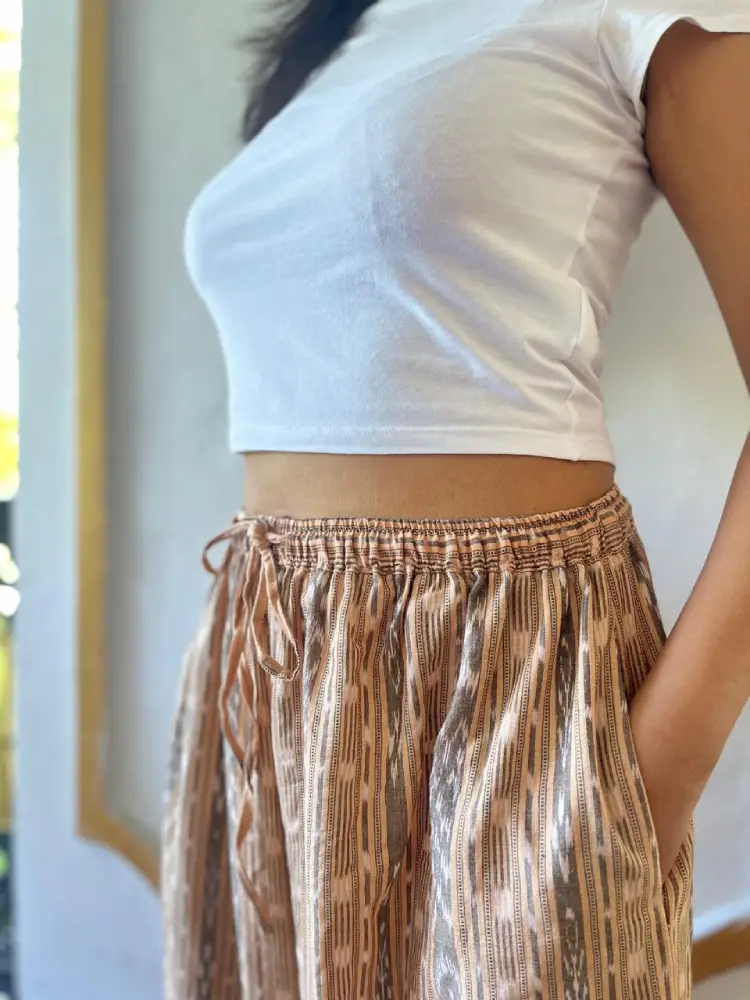
- Breathable natural fabrics such as cotton, linen, and handwoven textiles
- Relaxed silhouettes that allow airflow
- Soft textures that are gentle on the skin
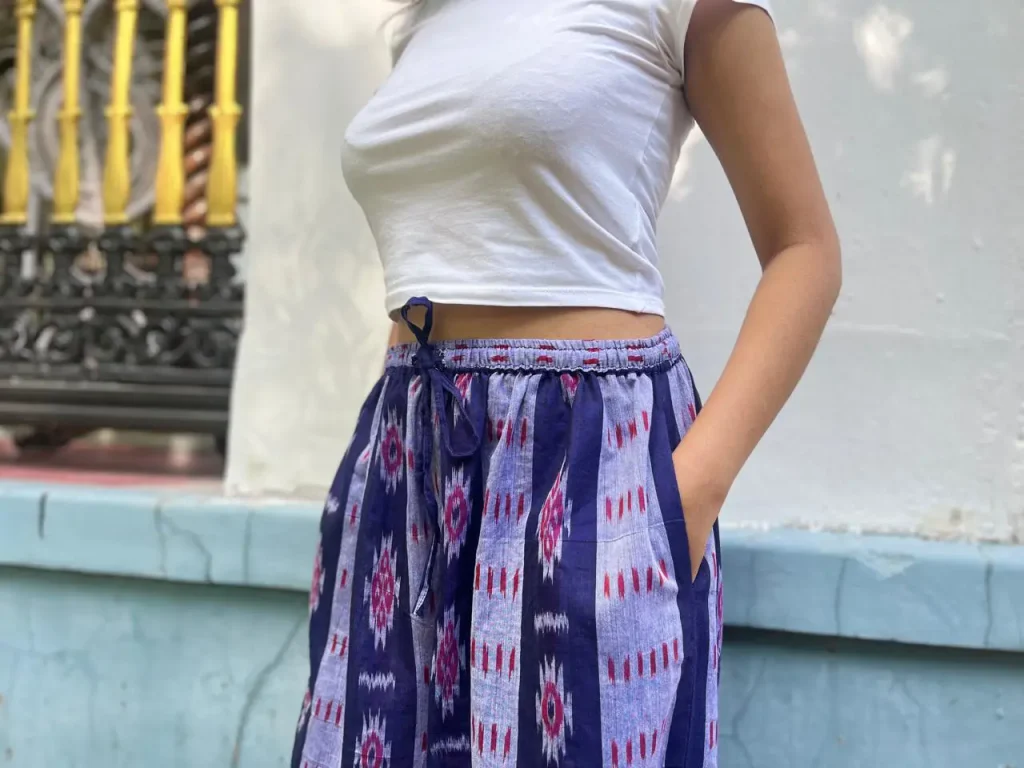
- Comfortable waistbands and flexible fits
- Timeless designs that offer confidence and elegance
When clothing feels comfortable, you can focus on living your life instead of adjusting your outfit.
A Gentle Reminder
Every woman deserves to feel seen, supported, and celebrated at every stage of life.
Menopause is not something to hide or endure in silence. It is a natural transition that deserves compassion, conversation, and care.
Be kind to your body. Listen to its changing needs. Choose comfort without compromising your style. And remember—you are not defined by hormonal changes, but by the strength, grace, and wisdom you carry through every season of life.